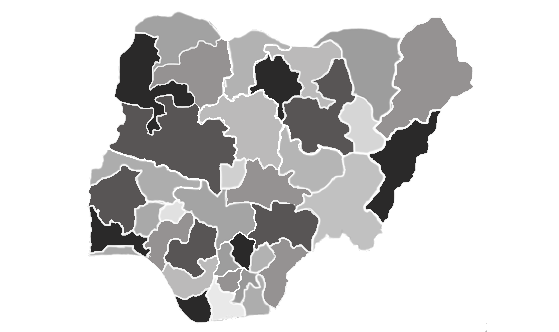



Nigerians from both Christian and Muslim communities on Monday pushed back against US President Donald Trumps threat of military intervention after he accused the Nigerian government of failing to protect Christians from violence.
Africas most populous country split roughly evenly between a predominantly Christian south and Muslim-majority north has long been scarred by overlapping conflicts that claim lives across religious lines.
Experts say these clashes are driven more by competition over land and resources than by faith.
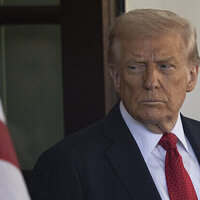
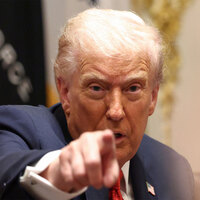
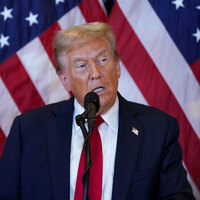
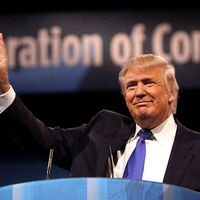
Over the weekend, Trump said on social media that he had asked the Pentagon to draw up "a possible plan of attack" to stop what he called the "killing of Christians" inNigeria.
Asked by reporters aboard Air Force One whether this could mean air strikes or troops on the ground, he replied: "Could be I envisage a lot of things."
"Theyre killing the Christians and killing them in very large numbers,Trumpsaid. "Were not going to allow that to happen."
Nigeria rejects US push to accept Venezuelan deportees
Both Christians and Muslims are dying
Many Nigerians rejected Trumps comments as misleading.
"Christians are being killed, we cant deny that but Muslims are also being killed," said Danjuma Dickson Auta, a Christian community leader from Plateau State.
The region, often called NigeriasMiddle Belt, has long seen clashes between mostly Christian farmers and Fulani Muslim herders over land and grazing routes.
While these conflicts often appear religious, analysts point to deeper causes such as poor rural policing and shrinking resources. Retaliatory attacks on Fulani communities, for instance, frequently go underreported.
In recent years, talk of a "Christian genocide" in Nigeria has been amplified by right-wing commentators abroad and separatist movements at home. A US lobbying firm, Moran Global Strategies, has even briefed congressional staff on alleged Christian "persecution" in Nigeria, according to public filings.
"Even those who spread this narrative know it is not true," said Abubakar Gamandi, a Muslim community leader in Borno State, the epicentre of the Boko Haram conflict. "We are all victims Muslims, Christians, everyone."
Jihadists in Nigeria using TikTok to spread ideology and recruit fighters
Wake-up call
Across Nigeria, political and religious leaders urged diplomacy rather than confrontation.
Chukwuma Soludo, the Christian governor of Anambra State, said Washington "must act within the realm of international law".
Reverend Joseph Hayab, head of theChristian Association of Nigeriain the north, called Trumps remarks a "wake-up call" but said they had been misunderstood.
"People are twisting the story as if Trump said hes coming to fight Nigeria," Hayab told French news agency AFP. "No hes coming to deal with terrorists."
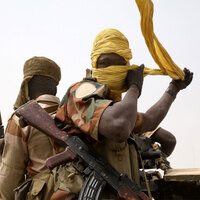
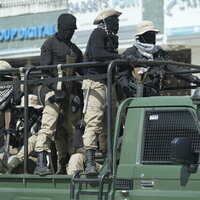
Nigeria continues to battle jihadists in the northeast and bandit gangs in the northwest, where most victims are Muslims.
Diplomacy
The Nigerian presidency also sought to defuse tensions. Presidential spokesman Daniel Bwala said Trumps words could be seen as "his own style of communication", suggesting they might even prompt "a sit-down between the two leaders to find common ground on fighting insecurity".
Oxford Economics political analyst Jervin Naidoo said that "while the terrorism threat is real", Washington's amped-up rhetoric could be related to Abuja rejecting demands to accept non-Nigerian deportees expelled from the United States as part of Trump'simmigrationcrackdown.
"This move differs from countries like Eswatini, Uganda, Rwanda and Ghana, which have complied. In response, the US tightened visa rules for Nigerians," he noted.
For many Nigerians, though, Trumps intervention has at least done one unexpected thing its united people across faith lines. As one community elder in Jos put it: "We dont need foreign troops. We just need peace and well make it ourselves."
(with newswires)
Originally published on RFI