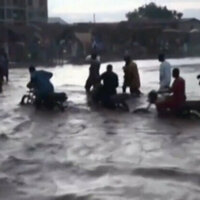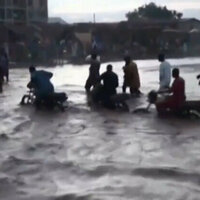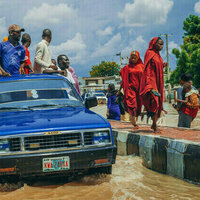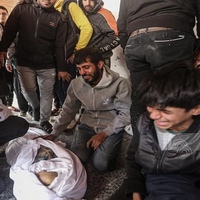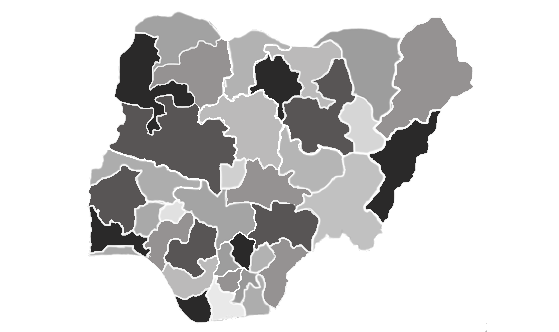


Flash flooding in western Nigeria at the weekend has caused devastation around the town of Mokwa in Niger state, leaving more than 150 dead and 3,000 people displaced more than half of whom are children aged 12 and under the UN said on Monday.
Three UN agencies appealed on Tuesday for lifesaving support in Nigeria, where record inflation, climate shocks and ongoing conflicts are projected to push the number of food insecure people to 33 million in 2025.
Devastating floods in South Sudan in recent months left thousands of herders without their most precious possessions: goats, cows and cattle. The animals are central to peoples lives and age-old customs including marriage and cultural traditions. All risk being swept away or scorched by the ravages of climate change.
Nigerian officials estimate that over 500 people are still missing and presumed dead, according to news reports.
Deputy Secretary-GeneralAmina Mohammed, a former Nigerian Government minister, said she washeartbrokenat the extent of the loss and damage.
My deepest condolences to all those affected especially the families who have lost loved ones. My prayers are with you, she said.
UN relief operation
United Nations agencies and partners are working alongside the Nigerian Government to provide essential humanitarian aid to individuals and households in Niger State who have been affected.
Beginning 29 May, heavy rains in the Local Government Area of Mokwa known as a trading hub prompted flash flooding which flattened entire neighbourhoods.
Hundreds were killed, thousands displaced and key roads and bridges were damaged, disrupting movement and economic activity.
Nigerias rainy season extends from April-October, making it particularly prone to flooding, which has become more severe in recent years.
Climate change factor
In 2024, a flood in September killed 230 people in Borno state in eastern Nigeria and displaced over 600,000 people. In 2022, severefloodingacross the country impacted 34 out of the 36 states, killed hundreds and displaced more than 1.3 million.
A recent report from the UN weather agency (WMO) said the worsening severity isrelatedto climate change and increasing surface and water temperatures, all of which is taking a high toll throughout the African continent.
Agencies on the ground
According to UN Spokesperson Stphane Dujarric Nigerian authorities are leading recovery efforts and UN agencies and partners are providing supplementary assistance.
The World Health Organization (WHO) is preparing to ship medicine and medical equipment to supplement and support existing primary care systems.
For their part, the International Organization for Migration (IOM) is providing materials for temporary shelter and other non-essential food items.
The UN reproductive health agency (UNFPA) is working to establish temporary clinics and safe spaces for women and girls displaced by the flooding. In these spaces, women can access maternal and reproductive health services, dignity kits and psychosocial assistance.UNFPAis also working to deploy midwives and nurses.
Mohammed M. Malik Fall, resident and humanitarian coordinator in Nigeria,commendedGovernment efforts to respond to the humanitarian situation in Mokwa and said that the UN stands ready to support the response.