

A new report has cast a harsh light on the Wagner Group's three years in Mali, showing how the Russian mercenary group was a source of instability rather than a solution to the countrys security woes.
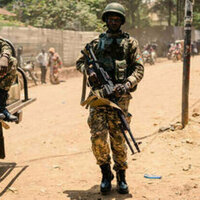
The Russian paramilitary group Wagner has left behind a troubled record in Mali, according to a report published by the United States-based war crimes watchdogThe Sentry.
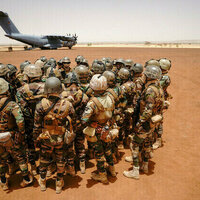
The organisation assessed Wagners impact in the Sahel country between January 2022 and June 2025 when its mercenaries were replaced by the Africa Corps, a new force directly underMoscowscommand.
When the Wagner Group announced its departure earlier this year, it claimed its "mission was accomplished".
However, the report's findings detail three and a half years of insecurity and strategic failure.
How Moscow is reinventing its influence machine across Africa
'A triple failure'
The report outlines what it calls Wagnerstriple failure.
The first is a military one: the Russian fighters proved unable to secure northern and central Mali, despite high expectations from Bamakos transitional authorities.
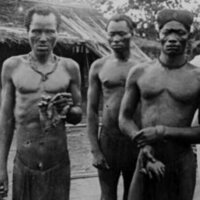
Secondly, their arrival coincided with a significant increase in attacks against civilians.
And third, far from strengthening ties between the army and local populations, their actions gravely undermined confidence, creating fertile ground for jihadist groups to boost recruitment.
Wagners presence, the Sentry argues, also destabilised the Malian security apparatus.
The fighters of Wagner sowedchaos and fearwithin the military hierarchy, the report notes, describing a chain of command now plagued by mistrust and poor communication.
Malian army and Wagner Group abduct and execute Fulani civilians, NGO claims
Fragile partnership
Speaking to RFI, Justyna Gudzowska, executive director of the Sentry, said Malian authorities turned to Wagner believing the Russian mercenaries would take greater risks and truly commit to fighting terrorists".
Instead, she explained, Wagner fighters refused to act without payment, refused to help without financial compensation, and in some cases flatlyrefused to take risks".
What was intended to be a partnership with the Malian armed forces quickly soured, she said. Wagner treated Malian soldiers as subordinates, perpetrated grave abuses, and instilled such fear that even Malian troops were afraid to speak out.
These issues culminated in adecisive defeatin July 2024, when rebels from the Azawad region of northern Mali and jihadists from the al Qaeda-linked JNIM group ambushed Malian and Wagner forces at Tinzaouatne, killing more than 80 Russian mercenaries and around 50 Malian soldiers.
This blow, according to Gudzowska, tarnished Wagners reputation well beyond Malis borders: More than a year later, it has still not recovered.
Five years after the 2020 coup, where is Mali today?
While Wagner has departed andRussia'sAfrica Corpshas stepped into its shoes, Malis security crisis shows little sign of abating.
Jihadist groups remain active across wide swathes of the country. Earlier this week, they reportedly seized the strategic town of Farabougou in centralMali, days after forcing the army to abandon one of its largest camps in the region.
JNIM fighters now control the town, imposing their rule on returning residents, including bans on secular music, alcohol and cigarettes.
Originally published on RFI